Affiliate disclosure: Some links below are affiliate links. If you buy through one, Dog Product Reviews earns a commission at no extra cost to you. As an Amazon Associate I earn from qualifying purchases. Full disclosure.
Evidence: research-led. This is a research-led coat-to-tool guide, not a controlled hands-on brush test. We matched each exact linked variant to current manufacturer specifications and directions, checked the decision against PDSA guidance and reviewed recurring owner questions. We have not measured coat removal, comfort or durability, and manufacturer performance claims and retailer ratings are not treated as independent proof. How we assess products.
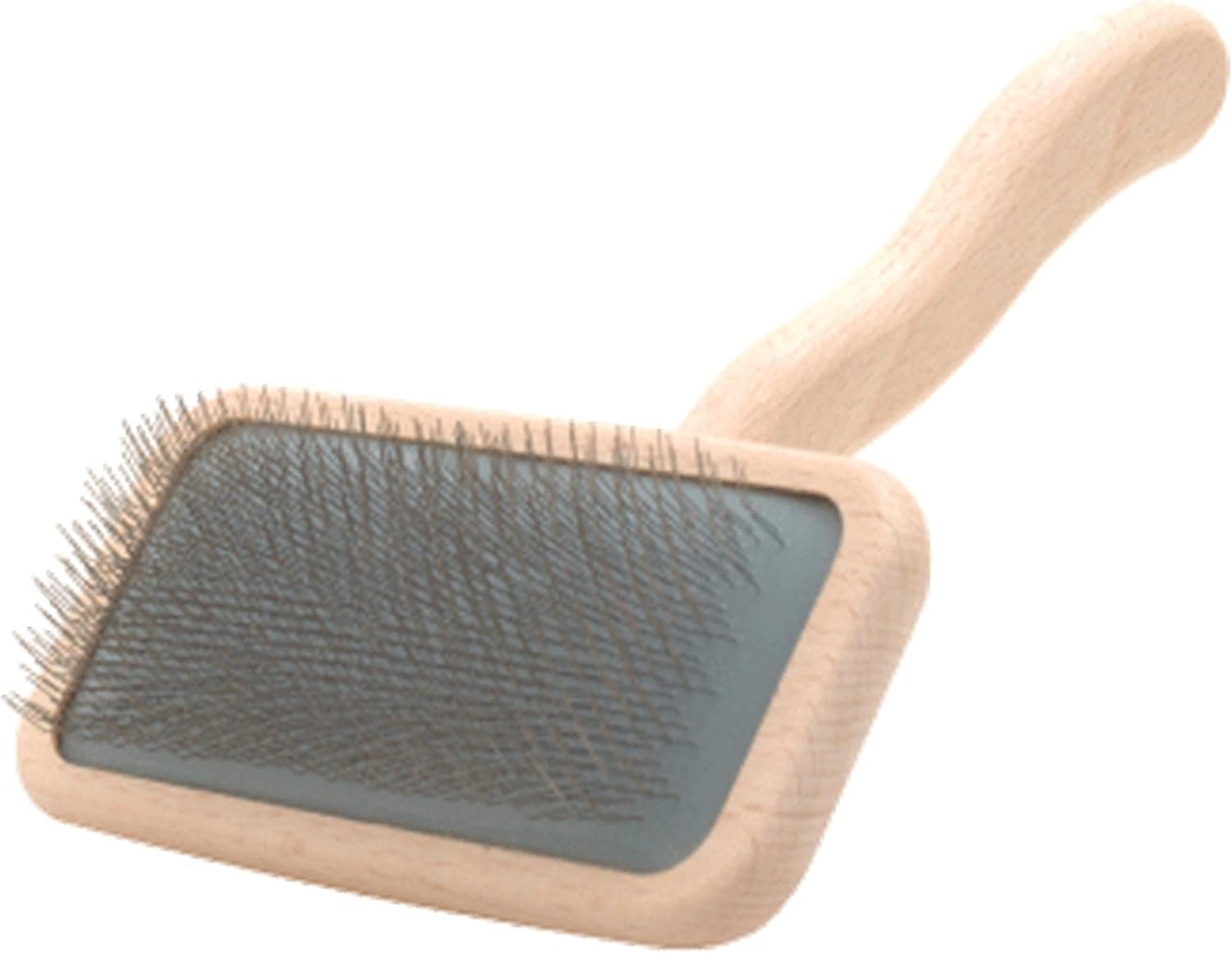
Chris Christensen Mark III Slicker Brush (Medium) · ~£42
Best premium 12mm slicker for a suitable shorter coat.
Evidence: research-led
Main drawback: About £42 for one brush. It is the Medium 12mm model, not the Small or the maker's longer-pin Big G, Big K or Karben ranges for other coat lengths.
The best dog brush is the one matched to the individual coat: a rubber curry or soft bristle brush for short smooth coats, a pin brush and comb for many longer coats, a flexible slicker plus comb for curly coats, and an appropriate rake only where a real undercoat is present.
No single brush covers every dog. A tool that removes loose undercoat from a Golden Retriever can scrape or cut the coat of a fine-haired Lurcher, while a soft finishing brush will not clear a dense curly coat.
This is a research-led buying guide. If the coat is already matted, the skin is sore or the dog flinches, stop and ask a reputable groomer or vet rather than forcing a tool through.
Quick answer:
Short smooth coat: start with a rubber curry or soft bristle brush. None of the three exact affiliate picks below is our universal default for this coat, so do not buy a mismatched tool just because it is featured.
Long or silky coat: pin brush in sections, then a metal comb to check for tangles.
Curly Cavapoo/Cockapoo-type coat: small flexible slicker plus a fine metal comb.
Dense double coat: a coat-appropriate rake or deshedding tool may help with loose undercoat, but the exact coat, size variant and maker's directions matter. Ask a reputable groomer if you are unsure.
Dog brush comparison: exact linked tools
These are the exact variants behind the affiliate buttons. Match the tool to the individual coat before comparing price; none is a universal dog brush.
Exact linked model
Verified specification
Best match
Main limit
Chris Christensen Mark III Medium
5-inch head, 7-inch body and 12mm pins
A premium medium slicker from the maker's shorter-coat range
Not the default for a long or dense coat; the maker lists longer-pin families for those coats
Ancol Ergo Double-Sided Brush
Current Ancol catalogue: 24cm, code 433000, pin and bristle sides
Light tangle teasing followed by surface smoothing
Not a mat-removal tool; the Amazon title does not display the Ancol item code
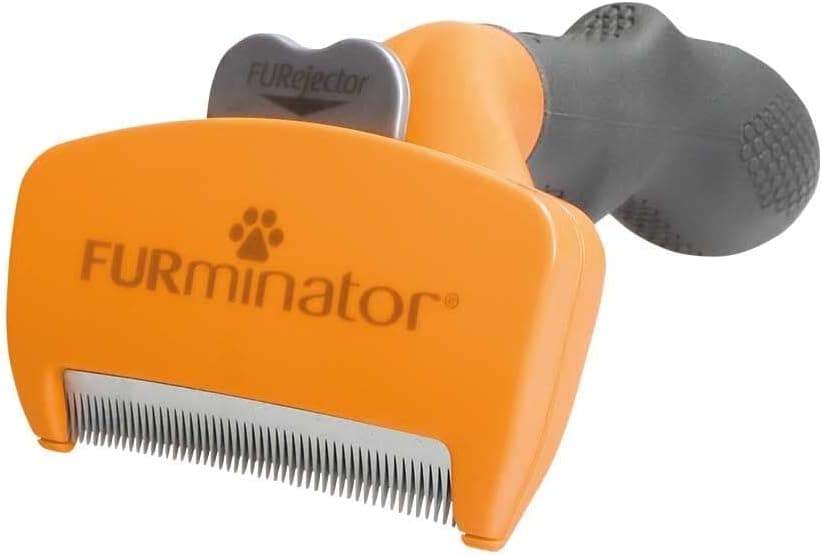
FURminator M Long Hair
Medium long-hair version; linked listing specifies 9–23kg
Loose undercoat on a suitable shedding dog
Specialist dry-coat tool; not for non-shedding breeds, sensitive skin or tangled coat
What actually matters here
Exact model and size, not a family name shared by several different brush variants.
Match to coat length, texture, shedding pattern and whether a real undercoat is present.
Manufacturer directions for dry or damp use, stroke direction, pressure and session length.
Whether a companion comb or different tool is needed to check the finished coat.
Evidence limits: published specifications are not the same as independent comfort, durability or coat-removal testing.
Why brush type matters more than brand
A pin-and-bristle brush, a short-pin slicker and an undercoat deshedding edge do different jobs. The correct choice depends on the individual coat and the manufacturer's stated use; a premium price does not make a tool suitable for every dog.
PDSA recommends choosing brushes and combs for the individual coat, stopping if the pet is worried or stressed and asking a vet or reputable groomer when unsure. It also advises owners not to tackle mats at home.
Brush guide by coat type
Short smooth coats (Staffie, many Lurchers): rubber curry or soft bristle brush. Medium or long coats: pin brush in sections followed by a comb. Dense double coats (many Labradors, Collies and Huskies): slicker or a coat-appropriate undercoat rake used conservatively. Curly poodle-cross coats: flexible slicker plus metal comb, with frequency based on length and curl.
Doodle owners need more than a generic recommendation. The slicker-plus-fine-comb pairing and section-by-section technique matter more than the brand. See our best brush for a Cockapoo (UK) guide for the full kit and size-by-size picks; Cavapoo and Goldendoodle pages adapt the approach to those coats.
How to use the exact linked tools more safely
Follow the directions for the exact tool rather than transferring one technique to all three. Ancol says to tease light tangles gently with the rounded-pin side, then use the bristles to smooth, without pressing into the skin or pulling at matted fur.
For the FURminator M Long Hair, the maker says the coat must be completely dry and free of tangles or mats. Inspect for sores, bruises or skin conditions first, stroke in the direction of hair growth with a few long gentle passes, avoid excess pressure and stop if the skin becomes red or irritated. Its guidance is 1–2 sessions a week for 10–20 minutes, adjusted for the individual coat.
For any dog, stop if the tool catches, the dog flinches or the skin changes. PDSA says not to tackle mats at home; ask a reputable groomer or vet rather than forcing a brush or comb through.
Got a doodle? The brush advice is different
Poodle-cross coats vary: some shed, some are tightly curled and many knot readily when wet. Do not assume “non-shedding” from the crossbreed label. Check the coat at the skin and choose frequency for the individual dog.
PDSA says poodle crosses can be prone to knotting and tangling and may need brushing a few times a week. The individual coat and trim length should decide the routine; if a comb does not pass without force, stop and ask a groomer rather than escalating pressure.
Breed name alone does not prove the right brush size or pin length. Compare the individual dog's body size, coat depth and the exact tool dimensions. Full breed-specific buying guides:
Product order is based on documented coat fit, exact model specifications and breadth of use—not retailer popularity or an assumed sales winner.
We also reviewed current UK retail results and indexed owner discussions. The recurring question was not “which brand wins?” but “which tool fits this coat?” Community comments informed the questions we answer; they were not treated as controlled product tests.
Quick questions before you buy
What's the difference between a pin brush and a slicker brush?
A pin brush and a slicker have different pin spacing, shape and intended jobs, and designs vary by model. Do not assume every dog needs both in a fixed order: match the tool and sequence to the individual coat and follow the maker's directions.
Can I use a FURminator on my Cockapoo?
Do not use an undercoat blade by default on a curly poodle-influenced coat. Cockapoo coats vary; ask a reputable groomer whether the individual dog has an undercoat that needs a rake or whether a flexible slicker and comb are more appropriate.
Best budget pin-and-bristle brush for light detangling and finishing
Do not press the pins into the skin or pull at a mat. The former direct Amazon variant is no longer returned by the product API, so the button opens a name-and-code search; compare the result with the current official 24cm model before purchase.
Specialist loose-undercoat pick for a suitable medium long-haired dog
Use only on a completely dry, tangle-free coat as directed. The maker says not to use it on non-shedding breeds or particularly sensitive skin and to stop if redness or irritation appears.
~£28
££
Recommended picks
Short-coat slicker pick
Best for: Best premium 12mm slicker for a suitable shorter coat
Chris Christensen Mark III Slicker Brush (Medium)££
Why it made the list: The linked ASIN is the Mark III Medium. Chris Christensen lists a 5-inch head, 7-inch body, flexible cushioned pad and 12mm pins, and categorises the Mark family for short coats. The first-place position is an editorial fit decision, not proof from a hands-on comparison.
Main drawback: About £42 for one brush. It is the Medium 12mm model, not the Small or the maker's longer-pin Big G, Big K or Karben ranges for other coat lengths.
Typical price band: ££
Pros
Exact Medium model and title verified through Amazon’s API.
Manufacturer specifies 12mm pins and a flexible quarter-inch foam cushion.
Published dimensions make the size clear before purchase.
Cons
About £42 for a brush.
Manufacturer positions the Mark family for shorter coats.
Comfort, coat removal and long-term durability have not been independently measured here.
Why it made the list:Ancol's current product guidance describes rounded pins for gently teasing tangles, followed by the bristle side for smoothing; its catalogue lists the current 24cm tool as code 433000.
Main drawback: Do not press the pins into the skin or pull at a mat. The former direct Amazon variant is no longer returned by the product API, so the button opens a name-and-code search; compare the result with the current official 24cm model before purchase.
Typical price band: £
Pros
Rounded pins and bristles combine two light-grooming stages.
Manufacturer gives a clear pin-side-then-bristle-side sequence.
Lowest typical price of the three linked tools.
Cons
Not a tool for pulling through mats.
Amazon title does not show the official item code.
Comfort, durability and comparative detangling performance are untested here.
Why it made the list: The linked ASIN is the Medium Long Hair version for dogs listed at 9–23kg. FURminator's UK page specifies a stainless-steel edge, Skin Guard, curved edge, FURejector and protective Edge Guard. Those are manufacturer specifications, not an independent shedding test.
Main drawback: Use only on a completely dry, tangle-free coat as directed. The maker says not to use it on non-shedding breeds or particularly sensitive skin and to stop if redness or irritation appears.
Typical price band: ££
Pros
Exact Medium Long Hair 9–23kg destination verified through Amazon’s API.
Manufacturer specifies Skin Guard, FURejector and an Edge Guard.
Official directions define dry-coat use, stroke direction and session limits.
Cons
Not for non-shedding breeds or particularly sensitive skin.
Tangles and mats must be removed before use.
The manufacturer’s shedding-reduction claim has not been independently verified here.
What's the difference between a pin brush and a slicker brush?
A pin brush and a slicker have different pin spacing, shape and intended jobs, and designs vary by model. Do not assume every dog needs both in a fixed order: match the tool and sequence to the individual coat and follow the maker's directions.
Can I use a FURminator on my Cockapoo?
Do not use an undercoat blade by default on a curly poodle-influenced coat. Cockapoo coats vary; ask a reputable groomer whether the individual dog has an undercoat that needs a rake or whether a flexible slicker and comb are more appropriate.
How do I help a dog that dislikes being brushed?
PDSA advises taking grooming slowly, keeping it positive with treats and praise, and stopping if the dog is worried or stressed. Painful tangles, sore skin, excess pressure or the wrong tool may be involved, so ask a groomer or vet if discomfort persists.
How often should I brush my dog?
Frequency depends on coat length, density, curl, shedding, activity and skin health. Short smooth coats may need only occasional brushing, while long or curly coats can need several sessions a week. Ask a groomer for an individual schedule if tangles recur.
What is the best dog brush on the market?
There is no best brush across all coats. Start with a rubber curry for many short smooth coats, a pin brush and comb for many long coats, a flexible slicker and comb for curly coats, or a suitable rake only where an undercoat is present.
What brushes do dog groomers use?
A groomer may use slickers, pin brushes, combs, rubber curries, rakes and specialist tools, chosen for the individual coat and task. PDSA recommends asking a reputable groomer when you are unsure which tool suits your dog.
What brush do groomers use most often?
There is no reliable universal answer across every salon and coat type. A slicker may be common for some coats, while a rubber curry, pin brush, comb or undercoat tool is more appropriate for others. Coat fit matters more than a popularity claim.
What is the best brush for a long-haired dog in the UK?
Long-haired coats vary in density, texture and undercoat. A coat-appropriate pin brush or slicker plus a metal comb check may be useful, but the exact pin length and routine should be confirmed for the individual dog. Do not force any tool through a mat.
Why might a dog dislike brushing?
Fear, painful tangles, sore skin, excessive pressure or an unsuitable tool can all contribute. Use short rewarded sessions and stop if the dog flinches, the skin reddens or the tool catches; ask a groomer or vet to assess persistent discomfort.
Other coat-specific tools to consider
Optional extras that may help with the task on this page. Check size, compatibility and care instructions before buying; these are category searches, not products tested by Dog Product Reviews.
Rubber curry brush for short smooth coats
This is the missing first-line format for many short smooth coats. Choose a flexible dog-grooming model and use light pressure on healthy skin.